Common Mechanical Issues in Tablet Press
Introduction
Even with perfect materials and optimized processes, equipment condition can still cause tablet defects. The tablet press must operate precisely to ensure uniform weight, hardness, and surface finish. Mechanical wear, misalignment, or feeding system issues often lead to visual and physical problems such as mottling, capping, or weight variation.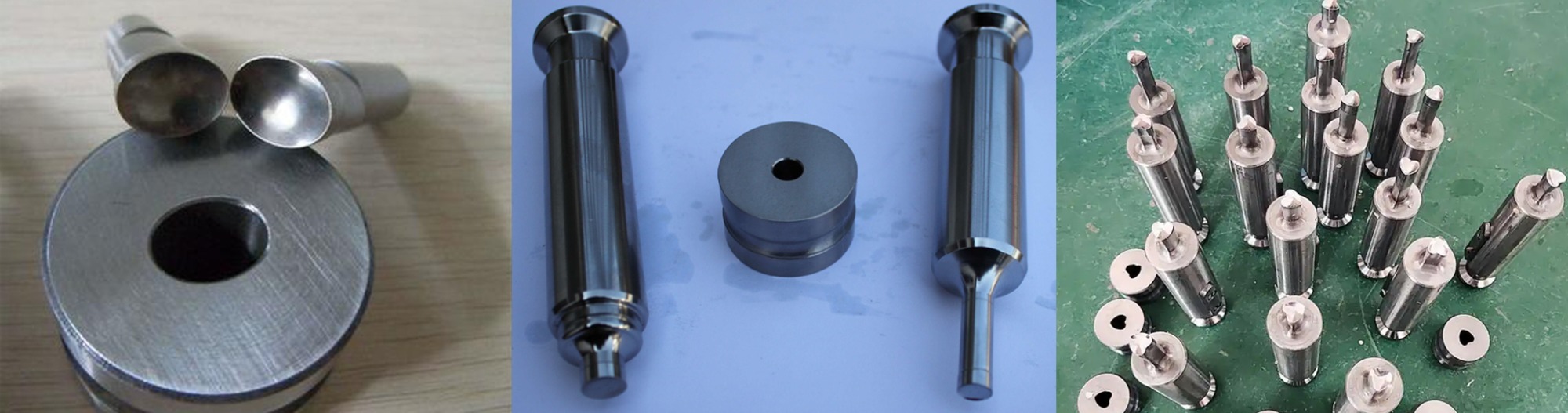
1. Tablet Press Component Issues
1.1 Punch and Die Wear or Deformation
Worn or unclean tooling can lead to:
- Rough tablet surfaces (mottling)
- Unclear engraving or logo
- Chipping or lamination due to uneven compression
Routine inspection, cleaning, and timely replacement of punches are vital to maintain tablet uniformity.
1.2 Hopper and Feed System Malfunction
When the hopper agitator or feeder runs unevenly, material feeding becomes inconsistent. This leads to:
- Weight variation
- Soft tablets due to insufficient die filling
Proper calibration ensures synchronization between feeding and compression speed.
2. Equipment Adjustment and Setup Errors
2.1 Incorrect Upper/Lower Punch Position
Misalignment causes improper die filling or over-compression, leading to capping, lamination, or broken tablets.
2.2 Unstable Compression Pressure
Fluctuations in main pressure result in inconsistent hardness, friability, or weight deviation. Continuous pressure monitoring systems can prevent these issues.
2.3 Inadequate Lubrication or Cleaning
Residue buildup in dies or punches increases friction and sticking tendency, leading to picking defects and surface irregularities.
3. Environmental and Maintenance Factors
Humidity control is essential: too high → sticking; too low → static, poor flow.
Temperature stability prevents condensation and material degradation.
Regular maintenance of hydraulic and mechanical parts avoids operational drift.
Conclusion
Tablet defects caused by equipment are often preventable through routine maintenance, precise calibration, and environmental control. Regular inspection of tooling and feed mechanisms ensures high-quality, defect-free tablet production.
- Contact us today for more information.