Material Properties in Granulation Process
The Impact of Material Properties on Granulation Quality
In the granulation process, material properties play a decisive role in determining the final quality of granules, production efficiency, and subsequent processing performance. Factors such as viscosity, flowability, and hygroscopicity directly affect how particles form, combine, and perform during later stages like tableting or coating. Understanding the material’s physical and chemical characteristics is the foundation for selecting the right granulation process and optimizing parameters.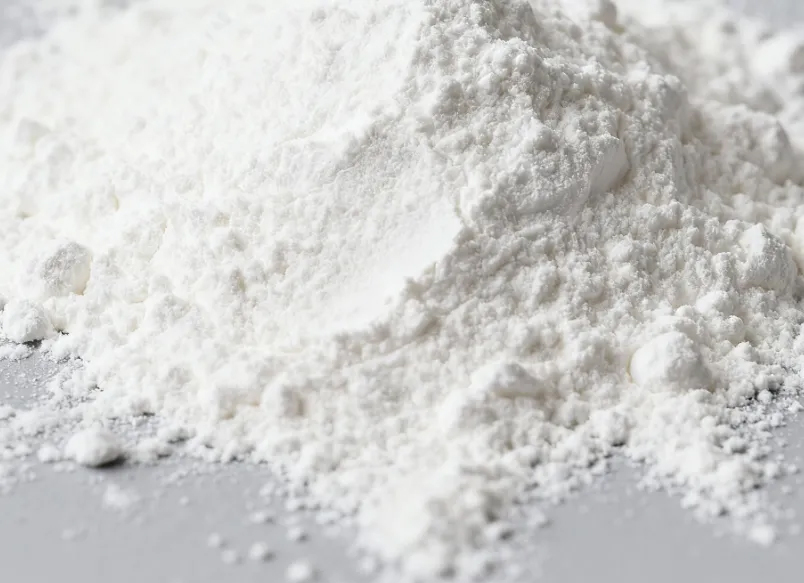
1. Direct Impact on Granule Quality
The ultimate goal of granulation is to obtain uniform, stable, and high-quality granules. Material properties are the primary determinants of this outcome.
l Forming Ability (Viscosity):
Viscosity is the core indicator of a material’s ability to form granules. Materials with moderate viscosity (e.g., herbal extracts) tend to bind easily into complete granules. Materials with low viscosity (e.g., quartz sand) fail to form stable granules, resulting in excessive fines. Overly sticky materials (e.g., resin) may cause agglomeration or equipment clogging.
l Uniformity and Consistency:
Particle size distribution and density uniformity determine how consistent the granules will be. Uniform materials produce granules with stable weight and size, while heterogeneous materials lead to mixed fine and coarse particles, reducing product quality.
l Stability and Sensitivity:
Hygroscopic and heat-sensitive materials require special attention. Hygroscopic substances (e.g., salts) absorb moisture easily, causing granules to soften or collapse. Heat-sensitive ingredients (e.g., vitamins) may degrade during drying, leading to potency loss or color changes.
2. Influence on Production Efficiency
Material characteristics not only affect quality but also determine how smoothly the production process runs.
l Equipment Compatibility:
Selecting the right granulation method depends on material behavior. Sticky materials perform better with wet granulation, while free-flowing powders are ideal for dry granulation. Using an incompatible process can lead to clogging, reduced output, or equipment damage.
l Operational Convenience:
Flowability and adhesion determine ease of feeding, mixing, and discharging. Free-flowing powders reduce downtime and cleaning frequency, while sticky or cohesive powders slow down feeding and increase maintenance efforts.
3. Effect on Downstream Processing
Granules often undergo further processes such as tableting and coating. Material properties determine whether these steps can proceed efficiently.
l Tablet Compression:
Good flowability ensures uniform die filling and consistent tablet weight. Materials with excellent compressibility (e.g., microcrystalline cellulose) produce tablets with optimal hardness and low defect rates.
l Coating Performance:
Granule surface smoothness and size uniformity influence coating adhesion and film thickness. Smooth, consistent granules lead to even, stable coatings, while rough or uneven ones cause peeling or clumping.
Conclusion
Material properties form the scientific foundation of successful granulation. By understanding their influence on granule formation, production efficiency, and downstream performance, manufacturers can optimize process parameters, reduce waste, and ensure consistent product quality across pharmaceutical, food, and chemical industries.
- Contact us today for more information.